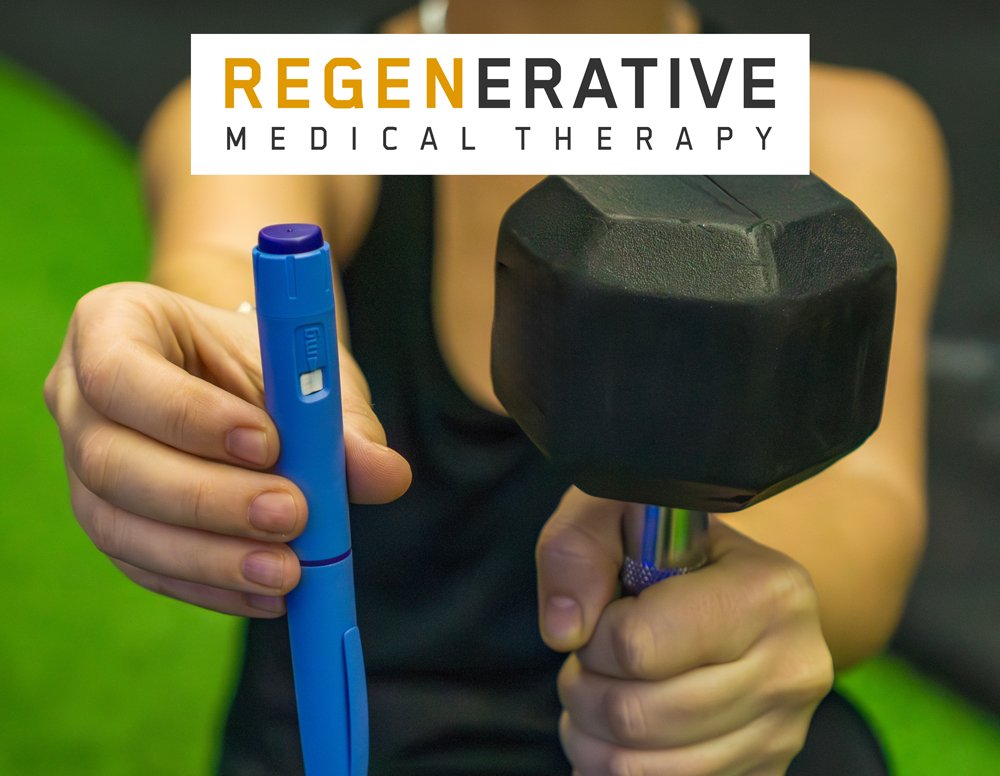

Weight management can become more difficult when hormone levels begin to change, affecting both men and women as they age. Declining levels of estrogen, progesterone, or testosterone can influence metabolism, increase fat storage, reduce muscle mass, and leave you feeling fatigued, all of which can make losing weight more challenging. While Hormone Replacement Therapy (HRT) is not a weight-loss solution, it may help restore hormonal balance and address some of the underlying factors that contribute to stubborn weight gain.
In this article, we’ll explore how HRT can support healthy weight management for both men and women.
How HRT Can Support Healthy Weight Management
Hormone Replacement Therapy (HRT) doesn’t directly cause weight loss; however, it can play a significant role in managing factors that often hinder weight loss. By alleviating these symptoms, HRT aids in balancing hormone levels which can mitigate metabolic slowdowns, making it easier to maintain a healthy weight by supporting a more active lifestyle and better nutrition choices.
Improved Metabolic Function
As individuals age, hormonal imbalances, particularly a decline in estrogen and testosterone, can lead to a slower metabolism. HRT can help restore these hormone levels, leading to improved metabolic rates. With a more efficient metabolism, the body can burn calories more effectively, making it easier to maintain or achieve a healthy weight. This improvement can also help prevent metabolic disorders that often accompany menopause or andropause.
Better Muscle Preservation
As hormone levels drop, individuals often experience a decrease in muscle mass, which in turn, affects their overall strength and metabolic rate. HRT can help mitigate this muscle loss by supporting the maintenance and growth of lean muscle tissue. The preservation of muscle mass is crucial not only for supporting a healthy metabolism but also for ensuring that weight loss predominantly targets fat rather than muscle. This also contributes to a more toned and healthier physique.
Increased Energy for Exercise
Energy levels can significantly decline with hormonal imbalances, making regular physical activity more challenging. HRT can help rejuvenate energy levels by stabilizing hormone fluctuations, allowing for more consistent energy throughout the day. With increased stamina and vitality, individuals are more likely to engage in regular exercise, a critical component of successful weight management. Exercise not only facilitates calorie expenditure but also improves cardiovascular health and muscle strength, all contributing to a healthier body weight.
Reduced Visceral Fat Accumulation
Visceral fat, the dangerous fat stored around vital organs, is a significant concern as individuals age and their hormone levels decline. HRT can help reduce the accumulation of this type of fat, which is known to be linked with numerous health issues such as insulin resistance, cardiovascular disease, and inflammation. By balancing hormone levels, HRT helps the body more effectively utilize and store nutrients, reducing the likelihood of excess visceral fat storing.
Improved Sleep Quality
Hormonal imbalances can disrupt sleep patterns, leading to sleep disorders such as insomnia. By stabilizing hormone levels, HRT can help improve sleep quality, ensuring that individuals get adequate rest. Better rest leads to improved hormonal balance, reduced stress levels, and a decreased susceptibility to unhealthy eating habits, all of which are crucial for effective weight management. When the body is well-rested, it’s easier to maintain motivation for exercise and other healthy habits.
Better Insulin Sensitivity
Insulin resistance is a common consequence of aging and hormonal changes, often leading to weight gain and difficulty losing weight. HRT can enhance insulin sensitivity by adjusting hormone levels to more youthful norms. As insulin becomes more effective in regulating blood sugar levels, the body can better process and utilize glucose, reducing fat storage and preventing spikes in blood sugar. Improved insulin sensitivity contributes not just to weight management, but also to a reduced risk of developing type 2 diabetes and other metabolic diseases.
Signs Your Weight Gain Might Be Hormone-Related
While lifestyle factors undoubtedly play a significant role in managing body weight, it’s essential to consider the influence of hormones. Understanding whether your weight issues are hormone-related can be a crucial step in addressing the root cause and finding an appropriate solution. Here are some signs that your weight gain could be hormone-related:
- Unexplained weight gain
- Difficulty losing weight
- Increased abdominal fat
- Chronic fatigue
- Low libido
- Mood changes
- Poor sleep
- Muscle loss
- Brain fog
Many of these symptoms can have multiple medical causes, making proper evaluation essential.
RMT is Here to Support Your Weight Management Journey
Understanding the role of hormones in weight management is vital, especially if you’ve been struggling with unexplained weight gain that doesn’t respond to traditional diet and exercise routines.
Regenerative Medical Therapy (RMT) offers a promising avenue for those grappling with hormone-related weight issues. Partnering with professionals who understand the intricate relationship between hormones and weight gain can empower you to take control of your health.
Contact Dr. Alex Rodi today to schedule an initial consultation.